 Simply Fluent
Why Your First Book Matters
Everybody talks about which app to use, which course to take, how many hours to study. Which book to pick when you're ready to start reading deserves just as much thought.
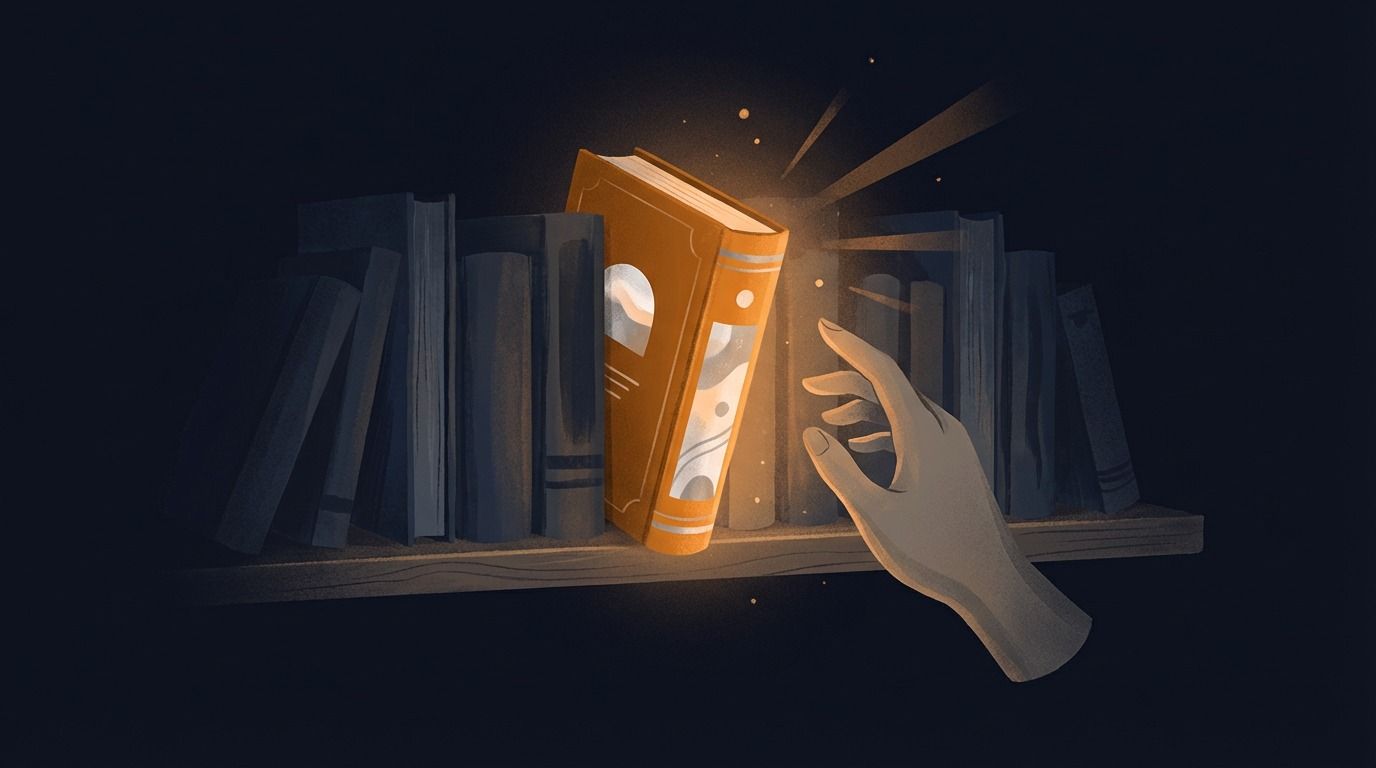
Your first book in another language can either hook you for life or convince you that reading in a foreign language "isn't for you." One thing makes a big difference: whether you picked something you want to read, or something you think you're supposed to read.
Two Easy Traps
There are two easy traps when you pick a first book.
The first is picking for how it looks. A classic, a prize winner, the book that will make you feel like a serious reader in your target language. If you don't care about the story, you end up 20 pages in, fighting every sentence of something you never wanted to read, and wondering if you're just not smart enough. You're smart enough. The book was wrong.
The second is thinking you have to pick down. The usual advice is to start with children's books and work your way up. Nothing is wrong with children's books, and if one is what you'd enjoy, read it. But I don't agree that you have to work through picture books before you're allowed to open a book written for adults. A reason to turn the page is what gets you through a first book, so if you want something more meaningful to you, a book you'll want to come back to, you can pick it much sooner. (More on that in do you need children's books to learn a language?)
You can read the kind of book you'd pick in your own language much earlier than you might think. With a reading tool that gives you translations when you need them, you don't have to understand every word on your own. You just need to want to know what happens next.
Finishing is everything. It proves to yourself that reading in this language is possible. It builds momentum. And every word you look up and keep is one you won't need to look up again, so the more you read, the fewer words you need to translate.
What to Look For
Keep It Short
Aim for 100–200 pages. A short book you finish teaches you more than a long book you abandon. And the psychological difference between being halfway through a 150-page book versus barely started in a 500-page one is huge, even if you've read the same number of words.
Pick Something Familiar
This is the tip I'd put first. Read something you already know. A book you loved in your own language. The next book in a series you've already started. A story you've seen the film of. When you already know the plot, all your mental energy goes into the language instead of figuring out what's happening.
Popular books are translated into a lot of languages, so it's worth checking whether one you've already read exists in the language you're learning.
Choose a Page-Turner
Thrillers, mysteries, romance, adventure. These genres pull you forward. You keep reading because you want to know what happens next, even when the language is hard. That momentum is worth more than any vocabulary list.
Use Modern Language
Avoid anything too old unless you already know the story well. Language changes over time, and a book from the 1800s teaches you how people wrote a century or two ago, including words nobody uses anymore. You want to learn the language as people use it today. If you want to read a classic anyway, a modernized edition keeps the story and updates the language. That's why I modernized the classics in Simply Fluent.
Do You Need Graded Readers First?
Graded readers are books written for language learners, with the vocabulary and grammar limited to a level. They're comfortable to read, and if you enjoy them, they're a fine place to start.
But you don't have to work through a ladder of them before you're allowed a novel. A big part of what a graded reader does is keep the number of unknown words low. When a translation is one press away, an unknown word costs you much less, so you can read above your level earlier, in a story you chose because you wanted it.
How to Read Your First Book
Set a Small Daily Goal
Five pages a day. That's it. At that pace you finish a 150-page book in a month. Some days you'll read more because you get hooked. But five is the floor.
Translate Freely, But Keep Moving
Don't ration your lookups. Translate whatever you want. The key is to not get stuck. Look the word up, read the meaning, and keep going. Save the words you want to keep. In Simply Fluent, a word you save shows its translation above it in every book you read after that, so you never look the same word up twice.
What matters is momentum. Stay in the story. If you find yourself re-reading the same sentence five times trying to parse the grammar, skip it and move on. You'll understand more than you think from context, and the words that matter will come back around.
After You Finish
Celebrate. You've finished a book in another language.
Then pick your second book. A little harder, a little longer, maybe a different genre. Each book expands what you're comfortable with. Book by book, you'll be reading things that would have seemed impossible when you started.
The Right Book Is the One You Finish
The best first book isn't the most impressive one, and it isn't the easiest one either. It's the one you want to keep reading.
A thriller you devour in two weeks builds more vocabulary than a literary masterpiece you abandon on page 30.
Choose short. Choose something you already know, or something you can't put down. Your first book is waiting.